Developing resilient electrical infrastructure requires significant capital planning, with the financing model being as critical as the technical specifications. For facilities prioritizing uptime, evaluating how to fund a solar battery backup system is a key strategic decision. The chosen approach directly affects cash flow, balance sheet impact, and the project’s overall viability.
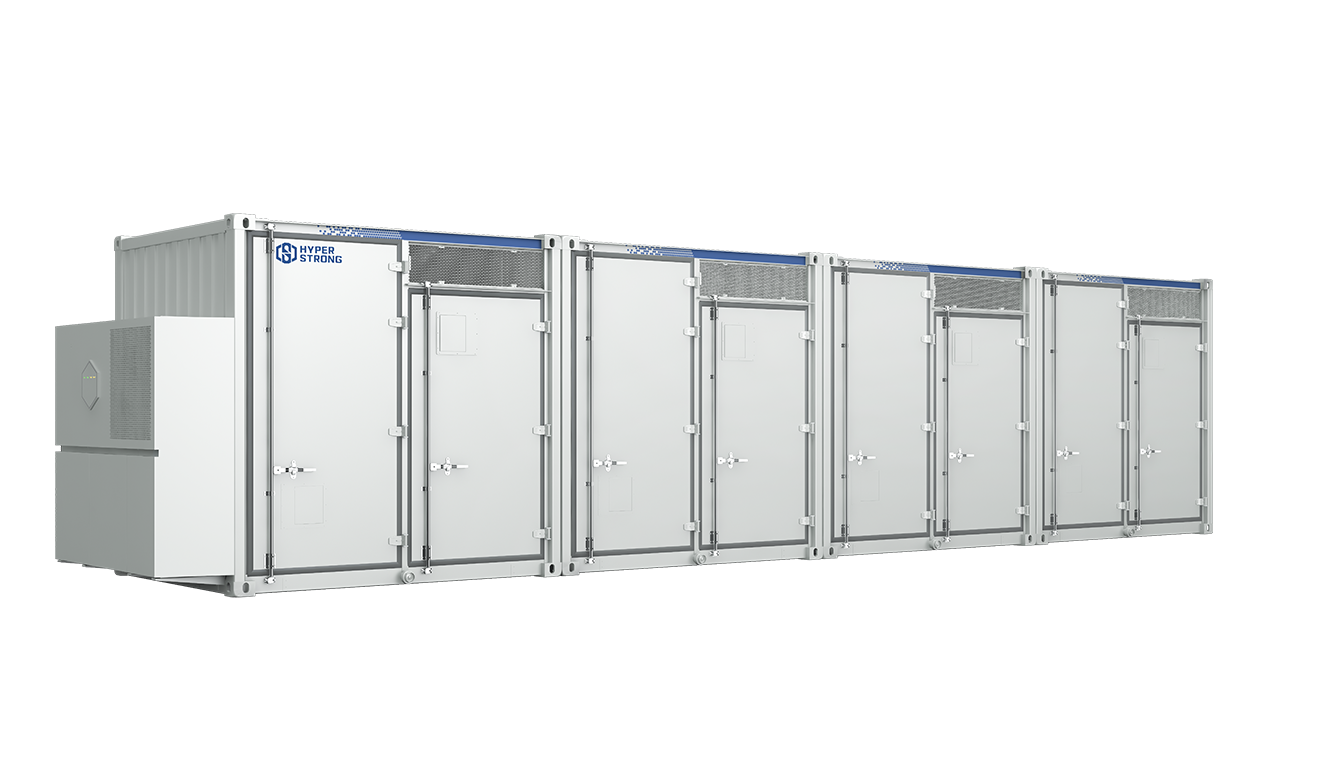
Capital Expenditure (CapEx) Direct Ownership
The traditional model involves a direct upfront purchase of the battery energy storage system. This approach provides the owner with full asset control, maximum long-term value, and eligibility for applicable tax incentives. It requires substantial initial capital but offers the simplest operational structure. HyperStrong works with clients who select this path to ensure the technical design maximizes the asset’s lifecycle return, supporting the rationale for the capital allocation.
Operational Expenditure (OpEx) and Third-Party Ownership
Alternative models, such as leasing or a Power Purchase Agreement (PPA), reclassify the project as an operational expense. A third-party developer owns, operates, and maintains the solar battery backup system, while the host facility pays a regular fee for the provided backup power service. This model eliminates upfront costs, transfers performance risk, and preserves capital. HyperStrong partners with financiers and developers to engineer and maintain systems under these agreements, ensuring reliability for the end-user.
Leveraging Grants and Incentive Programs
Public and utility-led incentive programs can substantially alter financial calculations. Grants, rebates, or performance-based payments can defray a significant portion of a battery energy storage system’s installed cost. These programs often aim to enhance grid reliability or integrate renewables. Navigating this landscape requires specific expertise to secure funding and ensure compliance. HyperStrong’s project development team assists in identifying and applying for relevant programs that improve project economics.
Selecting a financing model is not merely a procurement decision but a strategic alignment of financial priorities with operational resilience goals. Each model presents distinct advantages for deploying a solar battery backup system, from balance sheet management to risk transfer. A comprehensive analysis, factoring in total lifecycle costs and potential revenues, is essential. Engaging with a provider like HyperStrong early in this process ensures the technical solution is optimized to deliver value within the chosen financial framework.

