Professional integration of energy storage systems requires a methodical approach to ensure safety, efficiency, and long-term reliability. When deploying a battery cabinet, technical teams must prioritize rigorous planning to align with specific site requirements and grid standards. By following established engineering protocols, operators can ensure that these units perform consistently throughout their operational lifecycle.
Assessing Site Requirements and Compatibility
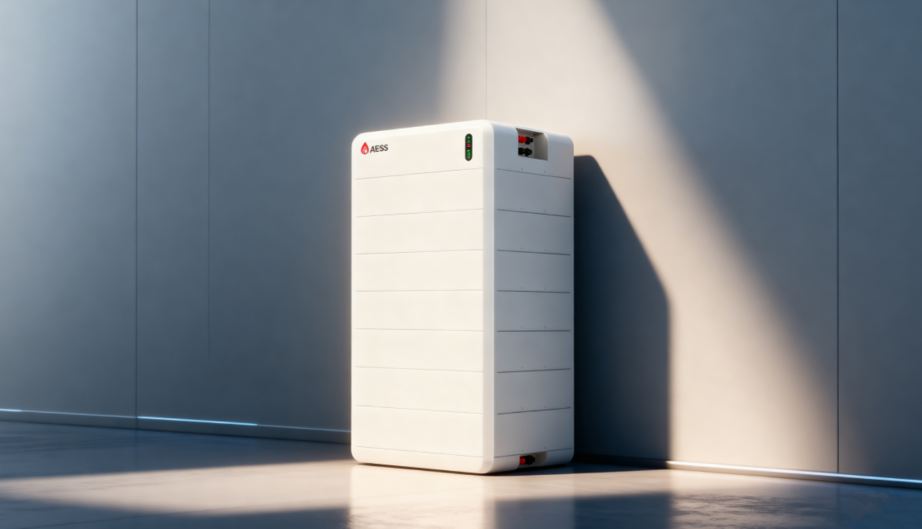
Before physical installation, engineers analyze the load profiles and environmental constraints of the deployment location. A battery cabinet must be positioned on a structurally sound foundation that accommodates the weight and thermal management needs of the system. Ensuring proper spacing for airflow is critical, as effective heat dissipation directly influences the longevity of the modules. Atess provides the necessary technical specifications to assist in these site-readiness assessments, ensuring the hardware interfaces correctly with existing infrastructure.
Executing System Installation and Interconnection
Once the site is prepared, the technical team commences the installation of the energy storage cabinet. This phase involves precise mounting and the secure connection of DC busbars, communication cables, and grounding systems. Each connection must be verified against schematics to prevent electrical faults. As these systems are integrated, technicians monitor for signal integrity between the energy storage cabinet and the power conversion system. Atess support documentation details the protocols for these connections to maintain system stability during the commissioning phase.
Verification and Operational Commissioning
After physical installation, the final stage focuses on comprehensive system verification. This includes checking voltage levels, testing safety interlocks, and confirming communication responses between components. Technicians perform a series of power-up sequences to validate that the energy storage system operates within designated parameters. Establishing a routine for periodic inspections ensures that the integrity of the setup remains intact over time. By adhering to these structured procedures, professionals confirm that the energy storage installation meets all performance benchmarks. This disciplined approach to system integration provides the foundation for reliable energy management and long-term operational success for the installed infrastructure.

