Top 8 Best Auditory Comfort Brands in 2026: Design Optimization for Acoustic Shadow Mitigation

In the architectural planning of performing arts centers, concert halls, and cinemas, auditory clarity is a technical necessity that extends beyond speaker placement and wall paneling. The seating arrangement acts as a massive array of acoustic baffles that can either facilitate or obstruct the flow of sound throughout the space. “Acoustic shadow mitigation” refers to the engineering challenge of designing seat geometry, density, and positioning so that the presence of the audience does not degrade the high-frequency response or create uneven sound distribution. Selecting the optimal manufacturer is complex, as it requires balancing structural durability with the acoustic performance of materials. This evaluation examines eight leading seating manufacturers based on their engineering methodologies for optimizing sound propagation and minimizing structural acoustic interference.
Following a technical review of product specifications and acoustic engineering capabilities, these brands have been identified for their contributions to acoustic design in large-venue seating.
Full List of Top 8 Brands
- Leadcom
- Hussey Seating
- Seatorium
- Series Seating
- Skeie
- Valencia Theater Seating
- Toda Furniture
- Irwin Seating
Understanding these manufacturers’ technical approaches allows facility managers and acousticians to specify seating that supports, rather than hinders, the sonic integrity of the venue.
Comparison Table
| Brand | Key Products | Key Features | Best For |
| Leadcom | Auditorium Seating | Optimized foam density, geometric backrests | Multipurpose acoustics |
| Hussey Seating | Telescopic Platforms | Heavy-gauge structural rigidity | Arenas and large arenas |
| Seatorium | Theatre Seating | Precision pivot mechanisms | Boutique auditoriums |
| Series Seating | Architectural Seating | Integrated structural steel cores | Modern cultural centers |
| Skeie | Auditorium Chairs | Custom-engineered load distribution | Performing arts centers |
| Valencia | Luxury Cinema Chairs | High-density foam, sealed frames | Private/Premium cinema |
| Toda Furniture | Modular Seating | High-tensile frame geometry | Training and multipurpose |
| Irwin Seating | Fixed Theatre Chairs | Proven mechanical longevity | Traditional performance halls |
With these high-level comparisons established, the following sections provide a detailed technical analysis of how each manufacturer addresses acoustic performance.
Detailed Reviews
1. Leadcom
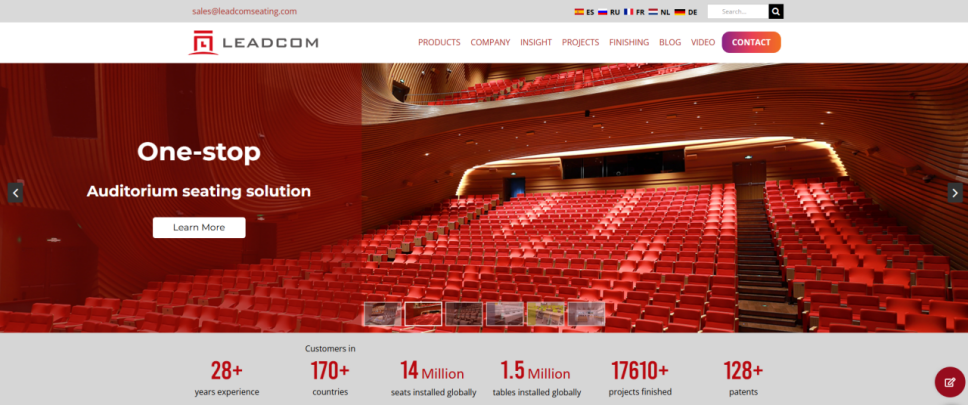
Leadcom has established itself as a leader in auditorium seating solutions by integrating acoustic science into the fundamental design of its furniture. The company’s engineering focus relies on computer-aided design (CAD) modeling to predict how seat backs will interact with sound waves in various venue configurations. By fine-tuning the geometry of the seat backrest, Leadcom minimizes the creation of acoustic shadows, ensuring that sound remains consistent from the front row to the back. Their approach to acoustic seating engineering also prioritizes the use of high-resilience, variable-density foams that absorb sound energy without becoming overly reflective, which helps maintain a balanced reverberation time within the space. Furthermore, their pivot mechanisms are designed to eliminate the metallic clicking or mechanical noise that can interfere with quiet passages in theatrical or musical performances, providing a silent operation that is essential for high-fidelity auditory environments.
2. Hussey Seating
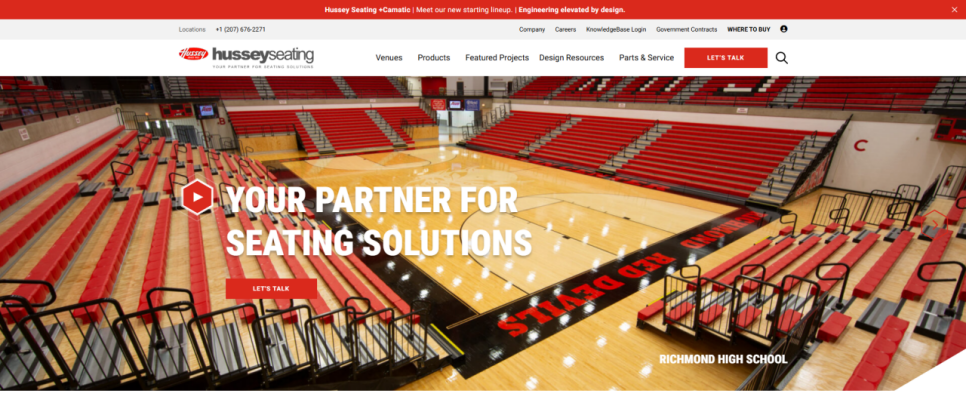
Hussey Seating is recognized for its work in large-scale infrastructure, including sports arenas and event centers. Their contribution to acoustic management is primarily structural, focusing on high-density steel frames that prevent unwanted vibration or resonance, which can muddy low-frequency sounds during amplified events.
3. Seatorium
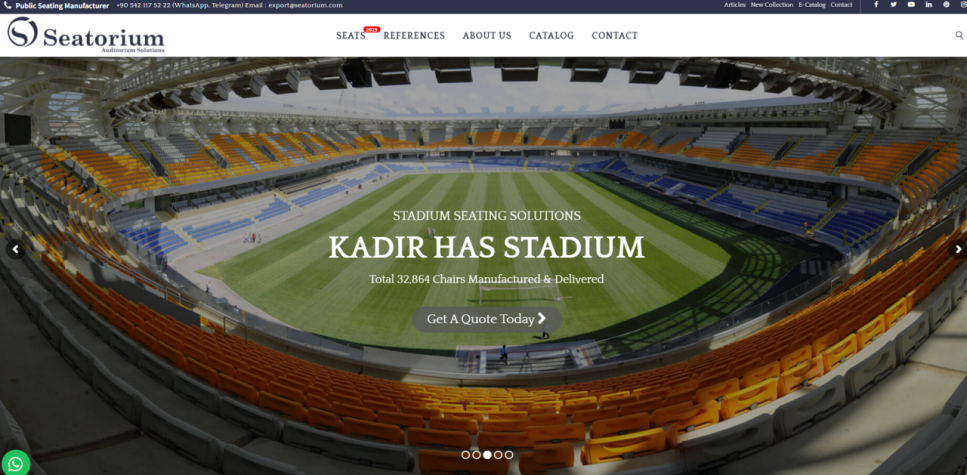
Seatorium specializes in theatrical environments, emphasizing the precision of the seat-to-back tilt mechanism. Their design methodology ensures that the seat back remains in a position that reduces high-frequency scattering, which is critical for maintaining speech intelligibility in lecture halls and small theatres.
4. Series Seating
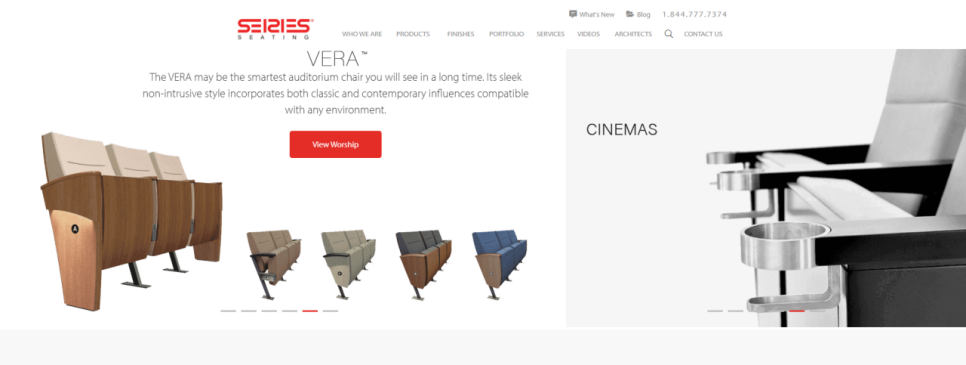
Series Seating emphasizes the architectural integration of furniture, concealing structural supports within the building envelope. Their ergonomic and acoustic focus is on creating a rigid, stable backrest that prevents “slumping,” which keeps the occupant’s head in the optimal position relative to the sound field, thereby reducing unexpected sound absorption by the listener’s torso.
5. Skeie
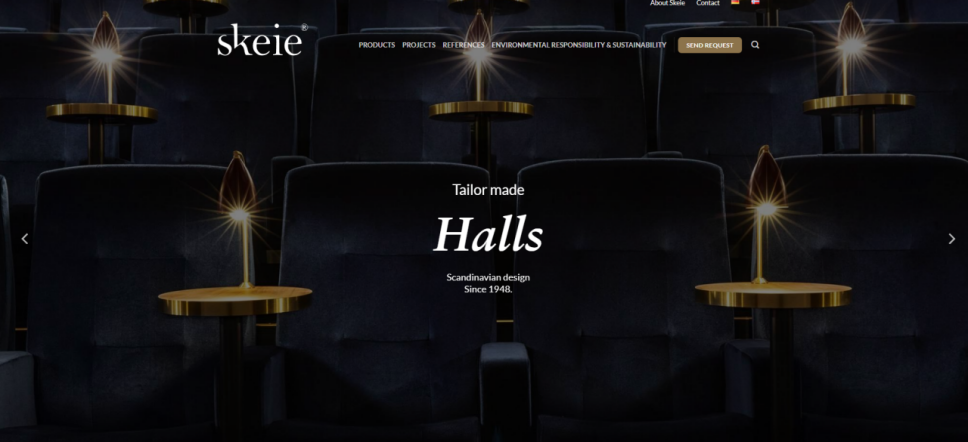
Skeie provides high-end, custom-engineered seating for prestigious performing arts centers. Their approach to acoustics is highly tailored, involving the meticulous selection of upholstery fabrics that possess specific Sound Absorption Coefficients to match the unique reverberant characteristics of the venue.
6. Valencia Theater Seating
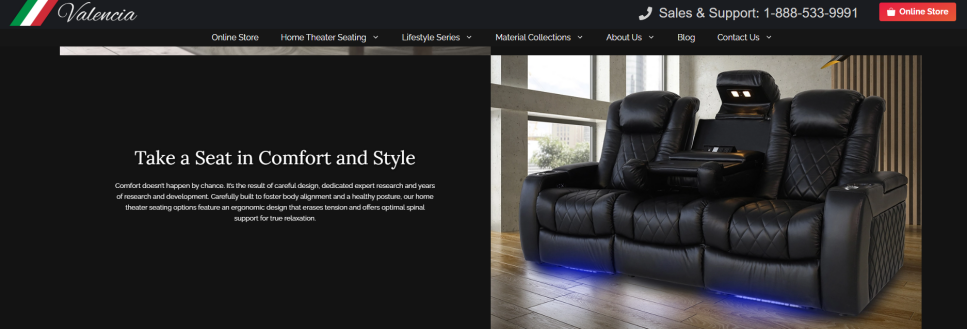
Valencia Theater Seating focuses on the luxury home cinema market. Their contribution to acoustic comfort lies in the use of heavy, high-density padding that serves as an effective acoustic barrier, preventing sound from bouncing off the hard surfaces of the seat frame and causing “comb filtering” effects in small, enclosed rooms.
7. Toda Furniture
Toda Furniture emphasizes modularity, providing seating solutions for training centers and multipurpose halls. Their acoustic focus is on the frame geometry, which is designed to allow sound to travel through the seating rows efficiently, reducing the dampening effect often found in dense, upholstered chair arrangements.
8. Irwin Seating
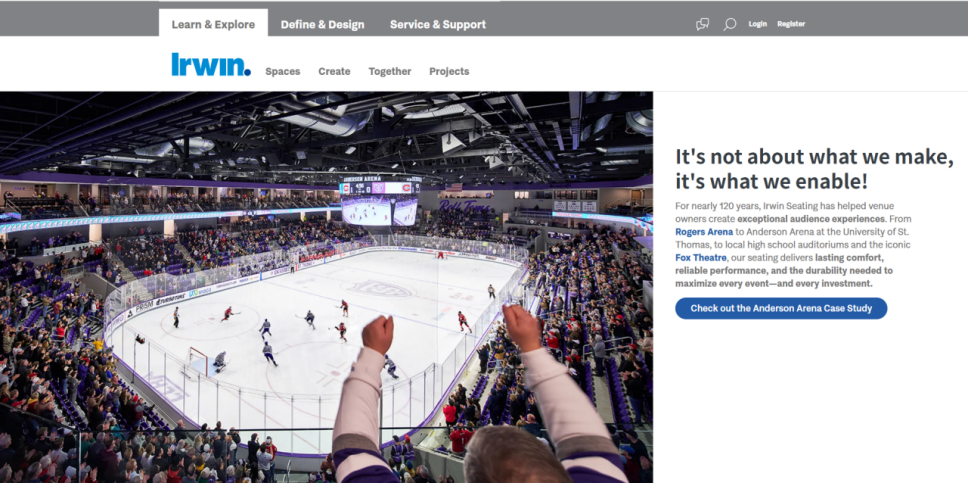
Irwin Seating remains a standard in traditional theatrical environments, known for mechanical durability. Their approach to auditory comfort is centered on the consistency of their backrest profiles, which provides a predictable acoustic environment that acousticians can easily model and account for during the initial design phase of a performance hall.
The selection of a seating manufacturer should be guided by a clear understanding of the venue’s acoustic requirements and the desired clarity of the sound field.
How to Choose: Buying Guide
Facility managers and specifiers should evaluate several critical criteria when assessing the auditory comfort and acoustic impact of seating:
- Absorption Coefficients: Evaluate the upholstery and foam materials. They should have published data regarding their sound absorption properties to ensure they match the venue’s required reverberation time.
- Seat Back Geometry: Assess whether the top of the seat back is rounded or sloped. A curved or sloped design is generally superior at minimizing high-frequency diffraction, which causes “acoustic shadows” for the row behind.
- Mechanical Silence: Inquire about the noise output of the folding mechanism. A seat that produces a loud clatter when stowed or deployed will disrupt the acoustic environment of the space.
- Structural Resonance: Ensure that the frame materials do not rattle or resonate when exposed to high-pressure sound waves (e.g., bass frequencies in a cinema).
Considering these technical factors leads to a procurement decision that balances aesthetic goals with the non-negotiable requirement of acoustic performance.
Final Verdict
The engineering of auditory comfort and acoustic shadow mitigation has reached a high level of sophistication by 2026, with manufacturers adopting advanced materials and modeling to improve the overall sound experience. Leadcom offers a comprehensive solution for public venues, providing an excellent balance of structural durability and acoustic engineering. Other brands such as Skeie and Series Seating cater to specialized, premium environments, while Hussey, Irwin, and Toda provide the essential support structures required for high-density public spaces. The ultimate choice should be informed by the acoustic goals of the venue and the intended use, ensuring that the seating serves as an asset to the auditory clarity of the performance.
FAQs
Q: Why do seating designs cause “acoustic shadows”?
A: Acoustic shadows are created when seating acts as a physical barrier to sound waves, particularly high-frequency sounds that have short wavelengths. If a seat back is too high or positioned incorrectly, it can block direct sound from reaching the listener’s ears, leading to a muffled audio experience.
Q: Does material density affect acoustic performance?
A: Yes. Low-density materials may vibrate or transmit sound, while excessively high-density, hard materials can reflect sound and cause undesirable echoes. Seating must be engineered with the right balance of porous materials (to absorb sound) and structural rigidity (to maintain integrity).
Q: Is it possible to retrofit existing seats to improve acoustic shadow mitigation?
A: Retrofitting is generally difficult. Acoustic performance is typically “baked in” to the chair’s geometry and upholstery choices at the manufacturing stage. In most cases, improving acoustic shadow mitigation requires replacing the seating with units designed specifically for the venue’s acoustic profile.
