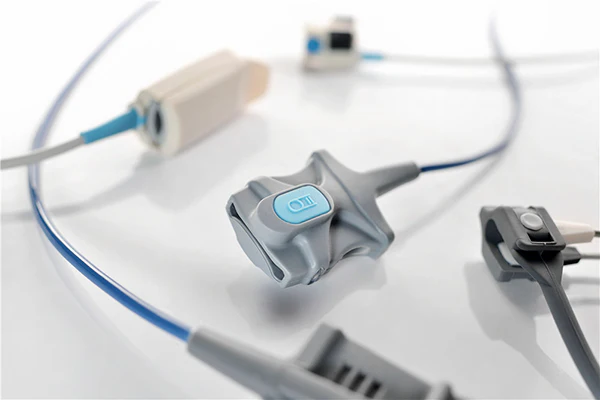
In pediatric care, accurate oxygen saturation monitoring depends heavily on proper sensor application. Devices such as Nellcor reusable SpO2 sensors are designed to detect blood oxygen levels by transmitting light through a child’s tissue. This process relies on stable blood flow and proper alignment of the sensor. Children, however, have smaller fingers, thinner skin, and more delicate vascular systems, which makes sensor pressure a critical factor in performance and safety.
The Impact of Excessive Pressure on Accuracy
A SpO2 reusable sensor must maintain gentle contact with the skin to capture reliable readings. When excessive pressure is applied to a child’s digit, it can restrict local blood circulation. Reduced perfusion interferes with the light absorption process used to calculate oxygen saturation, resulting in unstable or inaccurate readings.
Clinical guidance highlights that improper application can compromise measurement quality and even lead to misleading data during monitoring. Maintaining balanced contact ensures that arterial blood flow remains consistent, which is essential for dependable SpO2 values.
Preventing Skin Injury and Discomfort
Beyond accuracy, pressure management is vital for patient safety. Pediatric patients are more susceptible to pressure-related skin damage due to fragile tissue. Medical references warn that prolonged or excessive pressure from sensors may cause pressure injury or irritation if not properly adjusted.
Reusable sensors are often used for extended monitoring, increasing the importance of minimizing localized pressure. A well-designed sensor, such as those offered by Unimed, focuses on soft materials and ergonomic structures to reduce the risk of discomfort while maintaining secure placement.
Supporting Long-Term Monitoring Stability
In continuous monitoring scenarios, reduced pressure helps maintain consistent signal quality over time. Pediatric patients may move frequently, and overly tight sensors can either shift position or create intermittent readings. Properly fitted Nellcor reusable SpO2 sensors provide stable contact without constricting the finger, supporting smoother signal acquisition.
Additionally, clinical recommendations suggest adjusting or repositioning sensors regularly to maintain skin integrity and measurement reliability. This practice works best when the sensor is applied with minimal pressure from the start.
Conclusion
Reduced pressure on the patient’s digit is essential for pediatric reusable sensors because it directly affects both accuracy and safety. By preserving blood flow, preventing skin damage, and supporting consistent monitoring, gentle sensor application enhances overall clinical performance. With thoughtfully designed SpO2 reusable sensor solutions, Unimed helps healthcare providers achieve reliable pediatric monitoring while prioritizing patient comfort.

