In injection molding, achieving high accuracy is not solely dependent on machine performance but largely determined by the quality of tooling design. For engineers, product developers, and manufacturing planners, understanding effective tooling design strategies is essential to ensure that molded components meet strict dimensional and functional requirements. Precision plastics tooling plays a central role in this process, providing the structural and thermal control necessary for consistent production. By applying well-defined precision tooling solutions, manufacturers can minimize defects, improve repeatability, and maintain efficiency throughout the production cycle.
Core Design Principles for High-Accuracy Tooling
High-accuracy injection molds require a comprehensive design approach that considers multiple interrelated factors. Precision plastics tooling begins with careful analysis of part geometry, including wall thickness, draft angles, and feature complexity. Uniform wall thickness is particularly important, as it promotes consistent material flow and reduces the risk of warpage or shrinkage. Gating systems must also be designed to ensure balanced filling, preventing defects such as short shots or uneven surface finishes.
Cooling channel design is another critical element. Efficient cooling ensures that the molded part solidifies evenly, which directly impacts dimensional stability. Precision tooling solutions often incorporate optimized cooling layouts to reduce cycle time while maintaining accuracy. Advanced simulation tools are frequently used to model material flow and thermal behavior, allowing engineers to identify potential issues before tooling is manufactured.
Material selection further influences tooling performance. Tool steel is commonly used for its durability and ability to maintain precision over long production runs, while aluminum may be chosen for faster machining and shorter lead times in early-stage projects. Precision plastics tooling requires a careful balance between material strength, thermal conductivity, and cost efficiency. Livepoint Tooling integrates these considerations into its design process, ensuring that each mold meets both technical and operational requirements.
Manufacturing Precision and Process Optimization
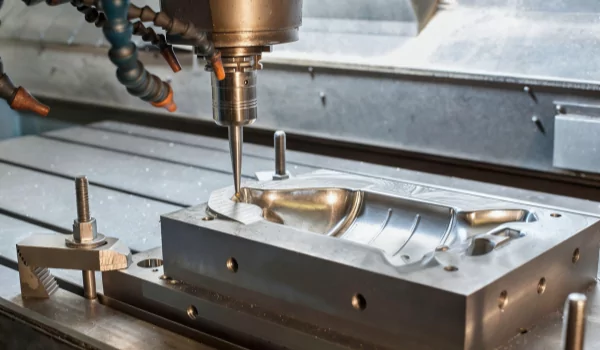
Once the design phase is complete, manufacturing accuracy becomes the next priority. Precision plastics tooling relies on advanced machining techniques such as CNC milling and EDM to achieve tight tolerances and smooth surface finishes. These processes ensure that mold components fit together precisely, reducing variability during production.
Process optimization is equally important in maintaining high accuracy. Precision tooling solutions must account for factors such as injection pressure, temperature control, and cycle timing. Proper control of these parameters ensures that each molded part meets design specifications consistently. Quality control measures, including dimensional inspection and performance testing, are essential to verify that tooling meets required standards before entering production.
Efficiency can also be enhanced through specialized mold configurations. Multi-cavity molds allow multiple parts to be produced simultaneously, improving productivity while maintaining consistency. Insert and two-shot molds enable the integration of different materials or components within a single process, expanding design possibilities without sacrificing accuracy. Precision plastics tooling that incorporates these configurations supports both flexibility and efficiency in production. Livepoint Tooling has developed extensive experience in delivering precision tooling solutions that combine advanced manufacturing techniques with reliable process control.
Achieving Consistent Performance Through Strategic Tooling Design
High-accuracy injection molding depends on a well-coordinated approach that integrates design, material selection, and manufacturing execution. Precision plastics tooling ensures that molds provide stable performance across repeated production cycles, reducing the likelihood of defects and minimizing the need for adjustments.
Working with experienced providers such as Livepoint Tooling allows manufacturers to apply precision tooling solutions effectively, ensuring that each stage of tooling development aligns with production requirements. Their expertise supports consistent results, from initial design validation to long-term manufacturing operations.
A structured approach to tooling design enables manufacturers to achieve reliable and repeatable outcomes. By focusing on precision plastics tooling and implementing well-planned precision tooling solutions, organizations can improve product quality, reduce production variability, and enhance overall operational efficiency in high-accuracy injection molding processes.


